
 Free Delivery & Return
 365-Day Returns
 10 Million Happy Customers
 500,000 Products in Stock

Investing in Comfort: Treat Your Backrest with a Perfect Office Chair
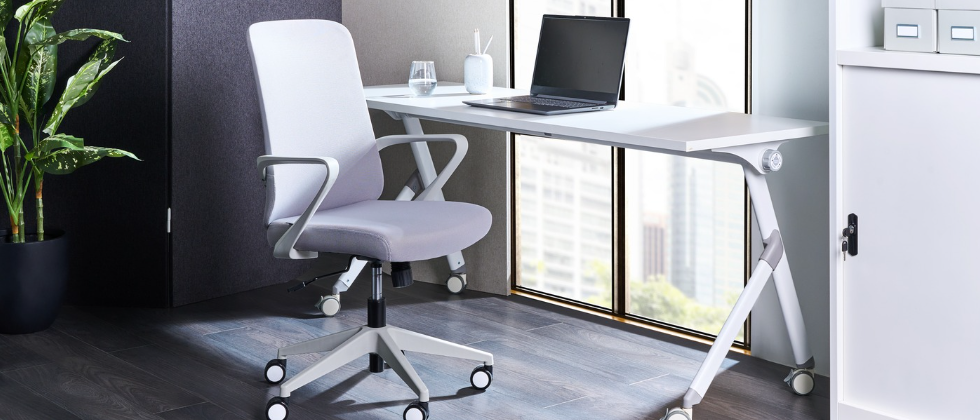
Discover how the right office chair can transform your work experience. Whether working from home or in an office, a high-quality chair is essential for maintaining good posture, preventing back pain, and ensuring long-term health.
What are common back problems?
Many office workers suffer from various back problems due to prolonged sitting. Common issues include lower back pain, upper back and neck strain, and tension in the shoulders. These problems are often caused by inadequate lumbar support, poor posture, and chairs that do not provide the necessary adjustments to accommodate different body types.
There are various ways of dealing or minimising the risk of getting injured - working out, regularly standing to stretch or even working in a standing position for a few hours, as well as getting enough sleep and keeping a healthy diet. The simplest, as well as the most effective amongst them though is getting a proper office chair and keeping a proper posture during workday. How can you achieve that? By picking a chair that ticks a few different boxes.
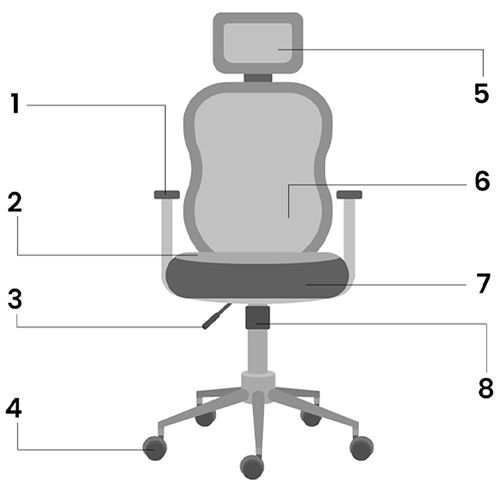
- Adjustable armrests support your shoulders
- Ensure the seat is wide and deep for comfort
- Height adjustment reduces hip and back strain
- Wheels allow easy movement in your workspace
- A headrest supports the head and neck
- Good lower back support prevents aches and pains
- Thick padding ensures all-day comfort
- Tilting adjustable backrest supports spine alignment
- Adjustable armrests support your shoulders
- Ensure the seat is wide and deep for comfort
- Height adjustment reduces hip and back strain
- Wheels allow easy movement in your workspace
- A headrest supports the head and neck
- Good lower back support prevents aches and pains
- Thick padding ensures all-day comfort
- Tilting adjustable backrest supports spine alignment
What are the long-term benefits of choosing the right office chair?
Investing in a high-quality office chair isn’t just about comfort during the workday—it's an investment in your health, productivity, and overall well-being. Here's how the right office chair can make a difference.
Improved physical health and posture
Prolonged sitting can take a toll on your body, leading to issues like lower back pain, neck strain, and poor circulation. A high-quality office chair is designed with ergonomics in mind, providing essential support to key areas like the lower back, neck, and shoulders.
Enhanced focus and productivity
Comfort and productivity go hand in hand. When seating is comfortable and free from distractions caused by discomfort or pain, focus naturally improves. With features like adjustable height, lumbar support, and armrests, a good office chair helps maintain an alert, supportive posture, making it easier to perform at a high level throughout the day.
Long-term cost efficiency
High-quality office chairs are built to last. While the initial investment might be higher, these chairs offer better durability, meaning they can withstand daily use for years without losing their supportive qualities.
Professionalism and workspace aesthetics
Finally, a high-quality office chair contributes to the overall aesthetic and professionalism of your workspace. An ergonomically designed chair adds to the impression of a well-organised and efficient workspace, which can also positively impact your work mindset.
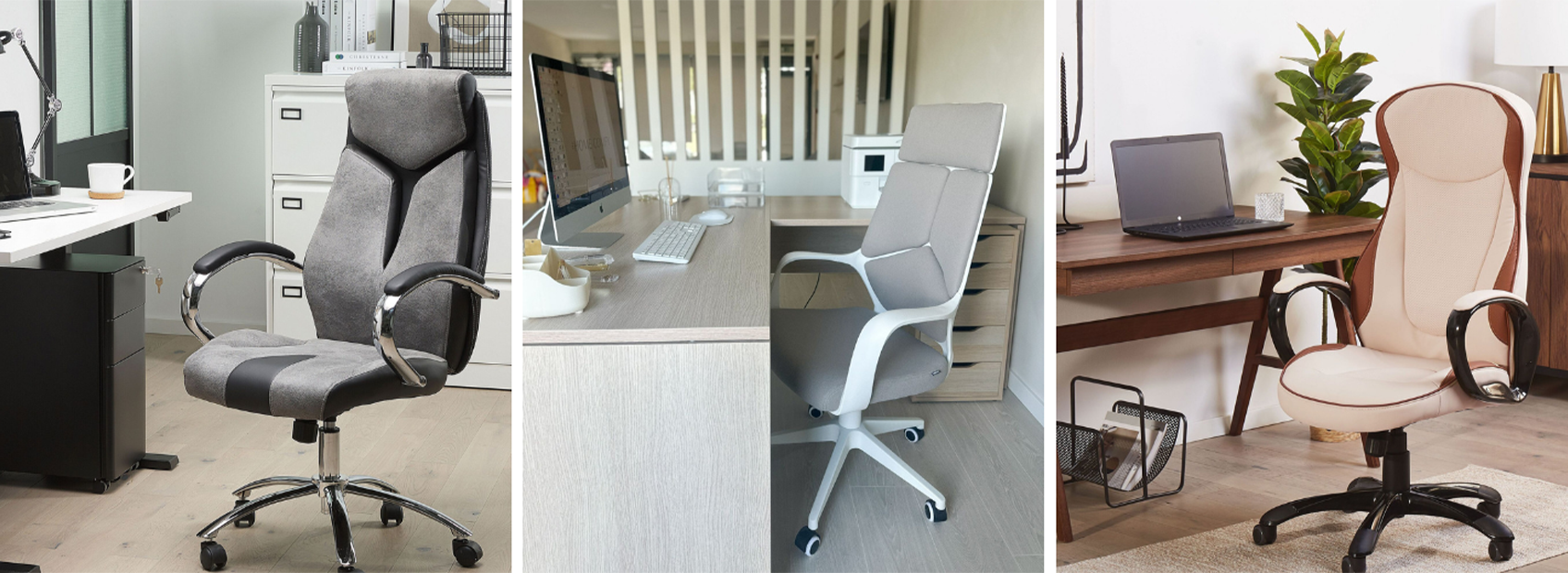
What are correct and incorrect sitting postures?
Maintaining the correct posture while sitting can have a significant impact on your health and comfort, especially during long work hours. Understanding the differences between correct and incorrect sitting posture is essential for avoiding discomfort, enhancing productivity, and preventing long-term issues. Let’s dive into the key points to keep in mind.
Correct sitting posture for optimal health
Maintaining the right posture while working at your desk is crucial for avoiding discomfort and long-term health issues. By ensuring proper alignment of your spine, neck, and shoulders, you can improve both your comfort and productivity throughout the day. Let's explore the key points of proper sitting posture.
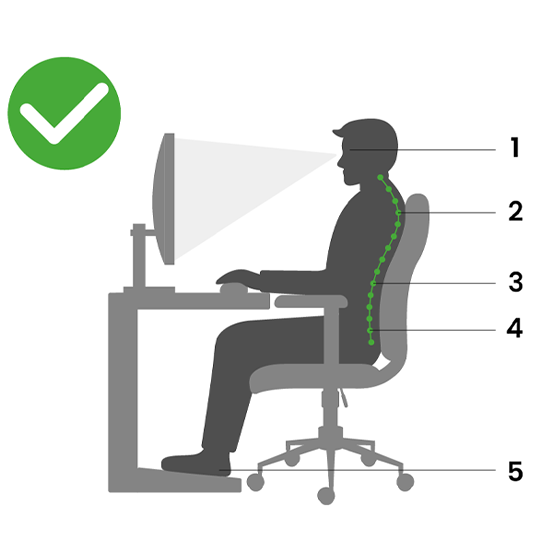
- Adjust your monitor to eye level to prevent neck strain
- Keep your spine straight to reduce discomfort
- Bend your elbows at a right angle to avoid shoulder and wrist fatigue
- Ensure your chair supports your lower back for better posture
- Rest your feet flat or use a footrest for comfort
- Adjust your monitor to eye level to prevent neck strain
- Keep your spine straight to reduce discomfort
- Bend your elbows at a right angle to avoid shoulder and wrist fatigue
- Ensure your chair supports your lower back for better posture
- Rest your feet flat or use a footrest for comfort
Common mistakes in desk posture and their consequences
Incorrect posture can lead to serious health concerns over time, from chronic back pain to reduced focus and energy. Understanding the most common posture mistakes can help you avoid these issues and protect your well-being. Here’s what to watch out for when sitting at your desk.
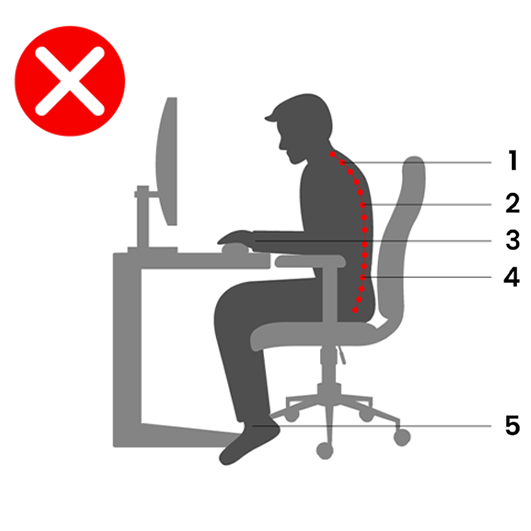
- Sitting too close or leaning in strains your neck and shoulders
- Slouching adds pressure to your spine, leading to pain
- A rounded back can cause long-term spine issues
- Keep your wrists level to avoid strain
- Dangling feet stress your legs and lower back
- Sitting too close or leaning in strains your neck and shoulders
- Slouching adds pressure to your spine, leading to pain
- A rounded back can cause long-term spine issues
- Keep your wrists level to avoid strain
- Dangling feet stress your legs and lower back
What essential items can enhance your workspace?
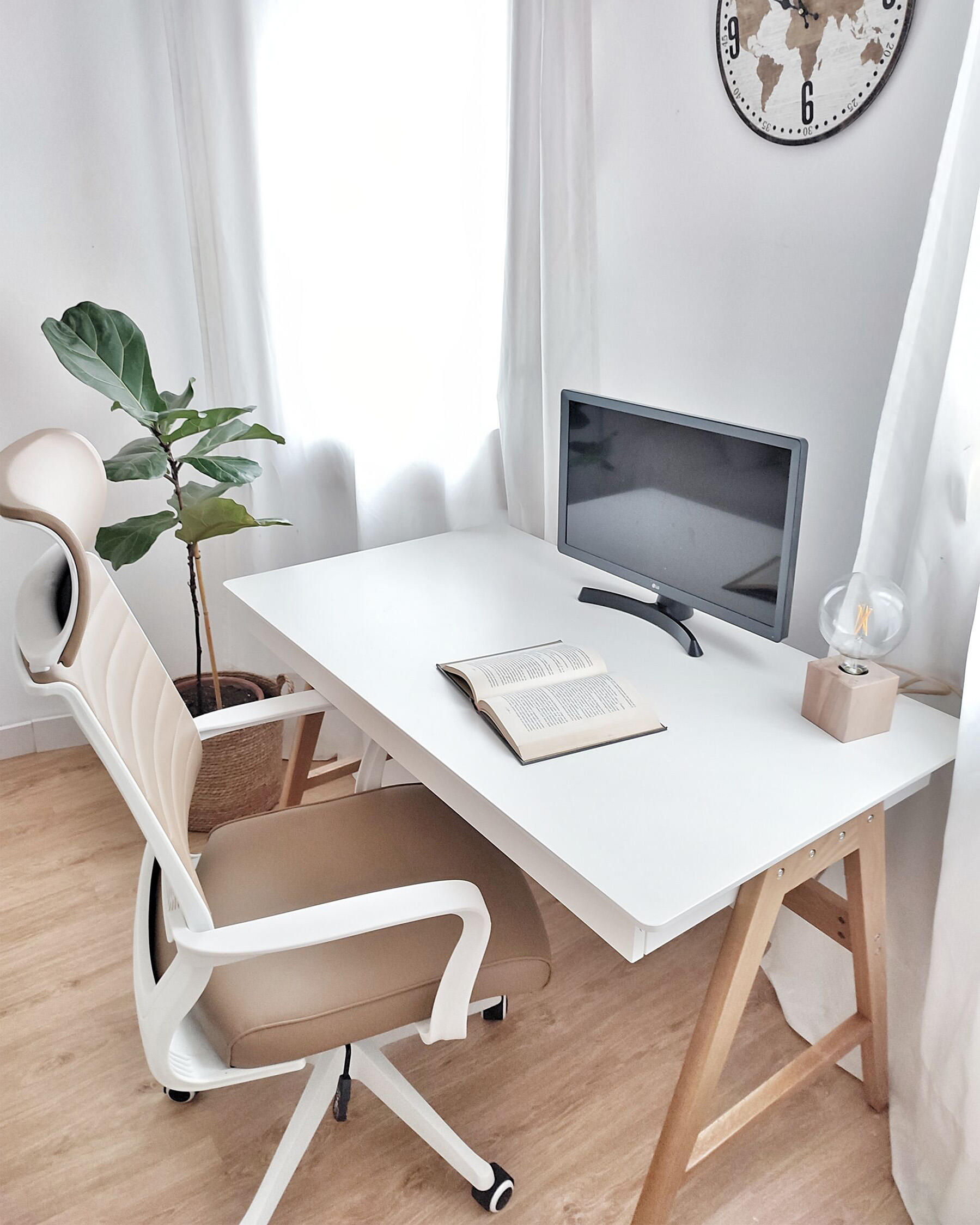
A sturdy desk
Your desk is the foundation of your workspace. Choose one that offers enough space for your work materials and integrates well with your office design.
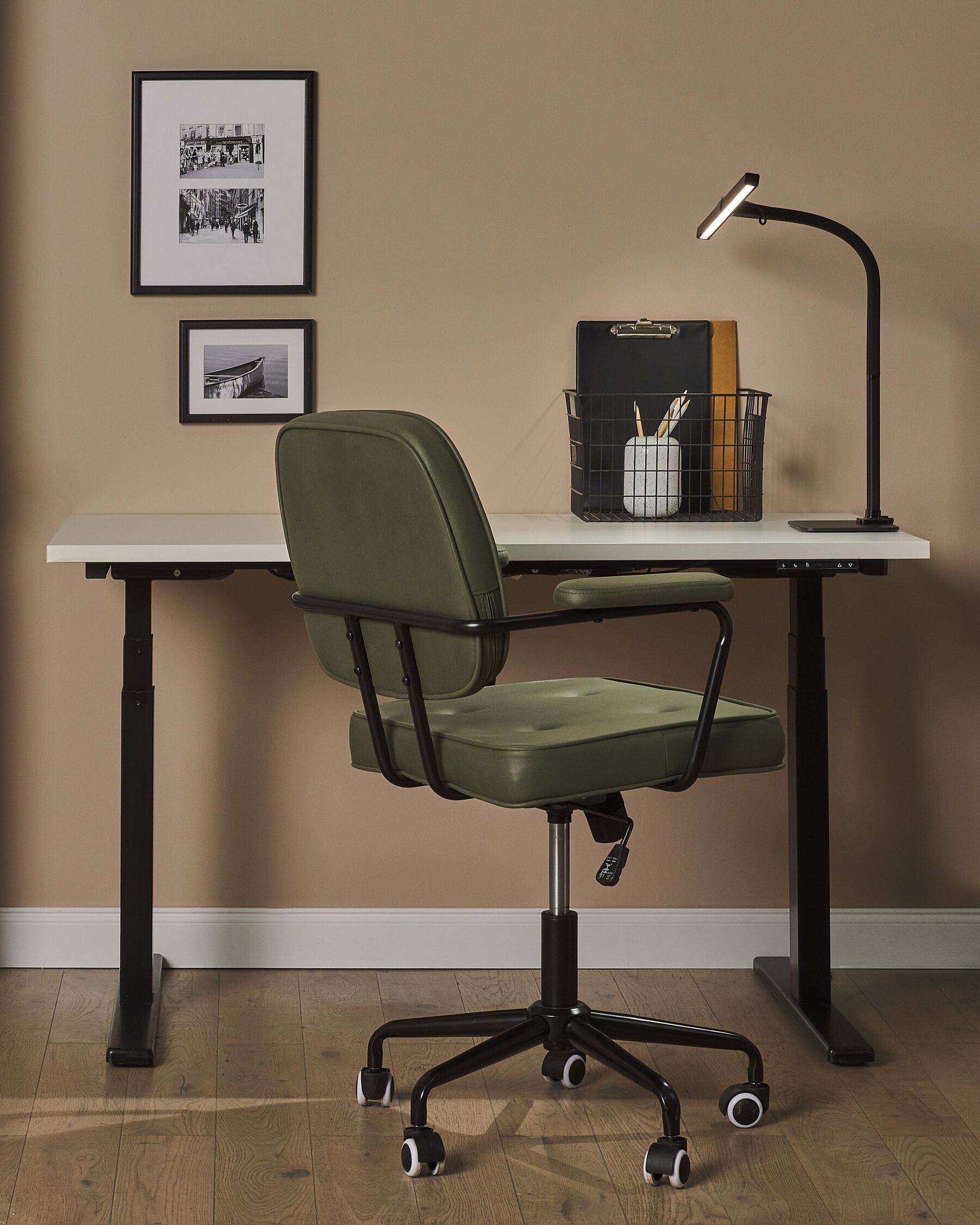
Proper lighting
Good lighting reduces eye strain and keeps you focused. An adjustable desk lamp allows you to tailor the lighting to your needs and adds a modern touch to your office.
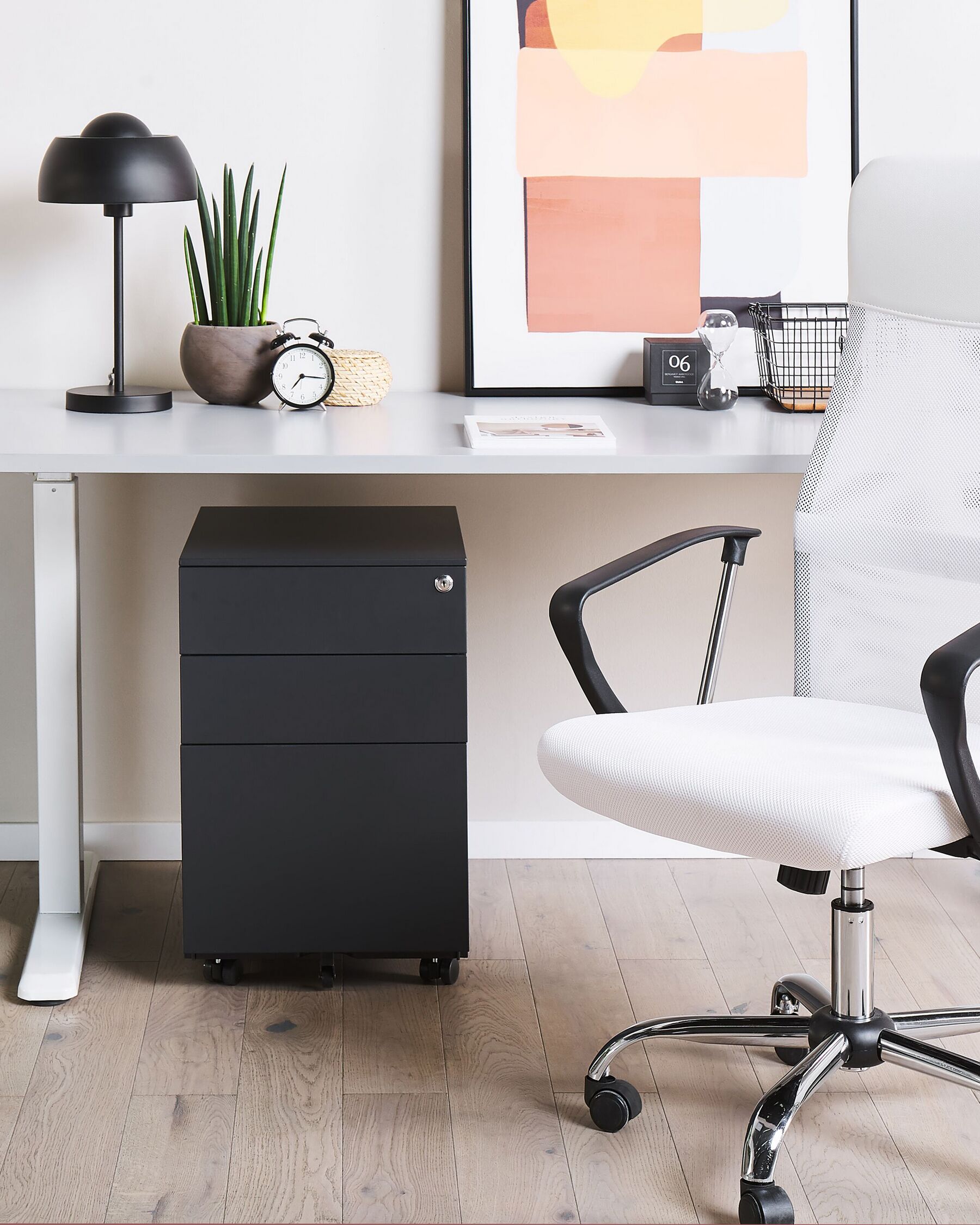
Storage solutions
Keep your office tidy with effective storage solutions like filing cabinets and shelves. Stylish storage options help maintain a clutter-free and organised workspace.
Creating a productive and comfortable workspace starts with choosing the right furniture. By investing in an ergonomic office chair and essential accessories, you can enhance both your well-being and efficiency. Explore our collection and transform your workspace into an environment where you thrive.
