
 Free Delivery & Return
 365-Day Returns
 10 Million Happy Customers
 500,000 Products in Stock

How to Take Care of Rugs: The Complete Cleaning and Maintenance Guide
Reviewed by the Beliani Content Team · Updated November 2026
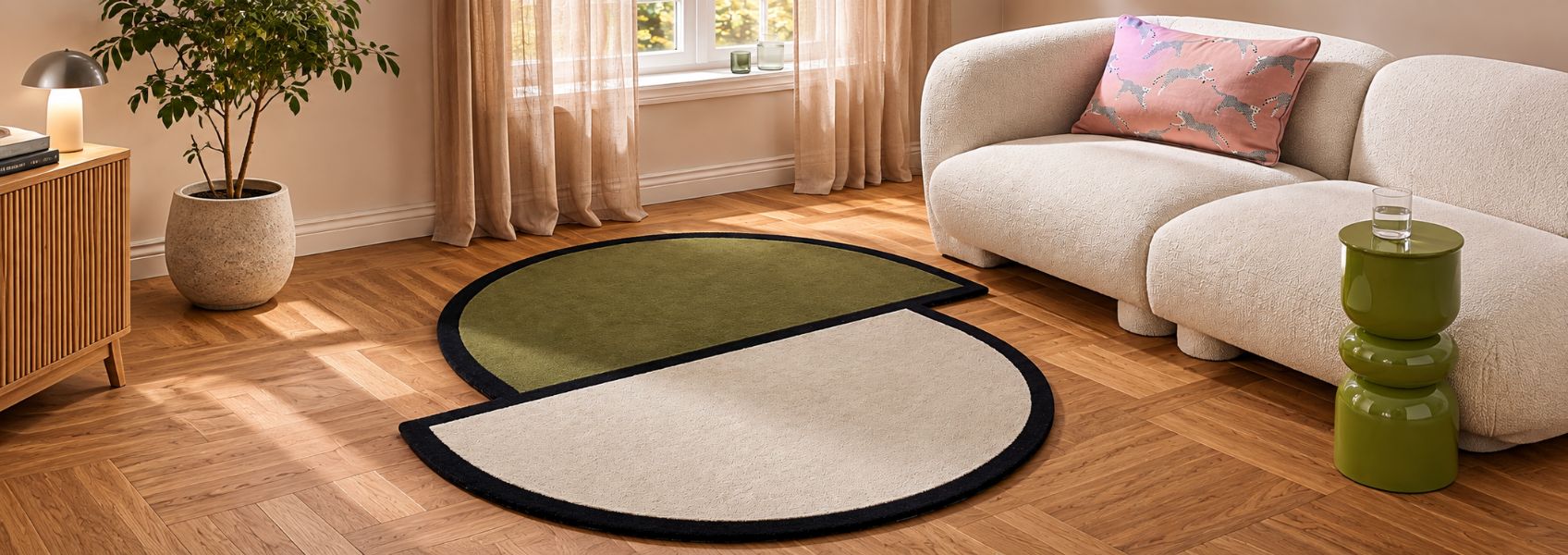
A rug adds warmth, texture and comfort to a room, but it only keeps doing that with the right upkeep. Wool, jute, cotton, synthetic and leather rugs each wear differently and need a different cleaning routine, so the same approach rarely suits every rug in a home. This guide sets out what to do day to day, material by material, so your rug stays in good condition for years rather than months.
In short
How often should you clean a rug?
Vacuum most rugs once a week, and book a professional deep clean every 12 to 18 months as a general baseline. Wool and leather rugs follow this same 12 to 18 month cycle, silk rugs should only ever be professionally cleaned, and jute or other natural-fibre rugs need dry cleaning rather than a water-based deep clean.
- Material: silk and natural fibres need specialist or dry cleaning; synthetic and cotton rugs can often be cleaned at home
- Traffic and pets: high-traffic rugs and homes with pets or children need more frequent vacuuming and shorter intervals between professional cleans
- Rug size: smaller cotton and synthetic rugs may be machine washable, which changes how a deep clean is done
How do you vacuum a rug without damaging it?
A weekly vacuum removes the dust, dirt and allergens that build up between deep cleans, and it's the single most effective habit for keeping any rug looking fresh. Vacuum in the direction of the pile, and for delicate materials such as silk or wool, use a low suction setting to avoid pulling at the fibres.
How do you treat a spill and deep clean by material?
Fast action on a spill makes the biggest difference to whether it leaves a stain, and how a rug should be deep cleaned depends on what it's made from.
| Material | If it's spilled on | Deep-clean schedule |
|---|---|---|
| Wool | Blot with a dry cloth; use a mild soap solution for stubborn marks, without over-wetting the fibres | Professional cleaning every 12 to 18 months |
| Silk | Blot only; avoid water and cleaning products | Professional cleaning only; never clean at home |
| Jute and natural fibres | Scrape off solid spills, then dab lightly with a barely damp cloth; never soak | Dry cleaning only; water weakens the fibres |
| Synthetic | Blot and clean with a mild detergent if needed | Often washable at home with warm water and mild detergent; some smaller sizes are machine washable |
| Cotton | Treat with a mild soap solution and water | Smaller rugs are often machine washable; always air dry to prevent shrinking |
| Leather | Blot immediately with a soft, dry cloth; never rub | Professional cleaning every 12 to 18 months, with a leather cleaner and conditioner in between |
Shop now: wool rugs and leather rugs
How do you protect a rug in high-traffic areas?
Hallways and living rooms put the most wear on a rug, and three simple habits make the biggest difference over time.
Add a rug pad
Cushioning and grip
A breathable pad underneath cushions the rug, stops it slipping, and reduces friction against the floor, which extends the life of both.
Rotate regularly
Even wear
Turn the rug every few months so foot traffic and sunlight wear it down evenly instead of concentrating in one spot.
Limit sun exposure
Colour protection
Prolonged direct sunlight fades colour, especially on natural fibres, so close blinds or use UV-protective window film during the brightest hours.
How do you store a rug during the off-season?
If a rug is coming up for storage, follow these steps in order so it comes back out in the same condition it went in.
- Clean the rug fully before rolling it up, so dirt and stains aren't trapped inside
- Roll the rug rather than folding it, since folding causes creases that are hard to remove
- Wrap it in a breathable cotton or muslin cover to allow air circulation and prevent mildew
- Store it in a cool, dry place, avoiding damp areas such as basements or attics where mould and pests are more likely
How do you care for a kids' rug?
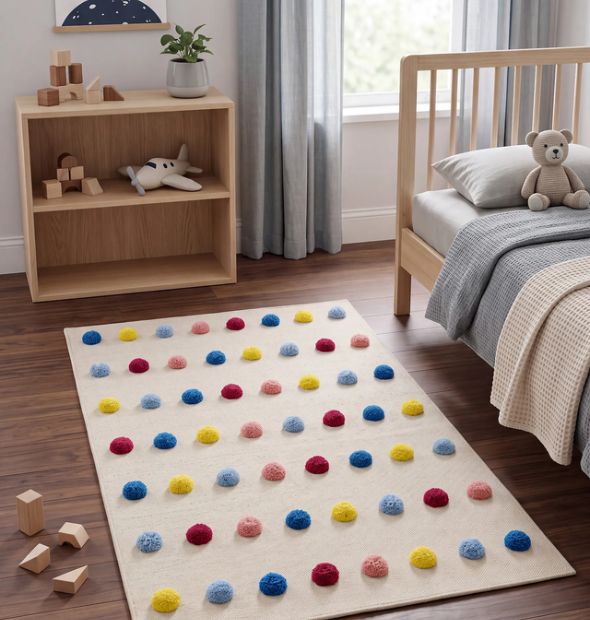
A rug in a child's room gets more floor time and more spills than most, so the same routine just needs doing a little more often. Vacuum weekly, or more if spills occur, and blot any accident with a clean cloth rather than rubbing it, since rubbing pushes a stain deeper into the fibres. A mild soap solution handles most marks, but test it on a small, hidden area first, and rotate the rug every few months to even out wear from play.
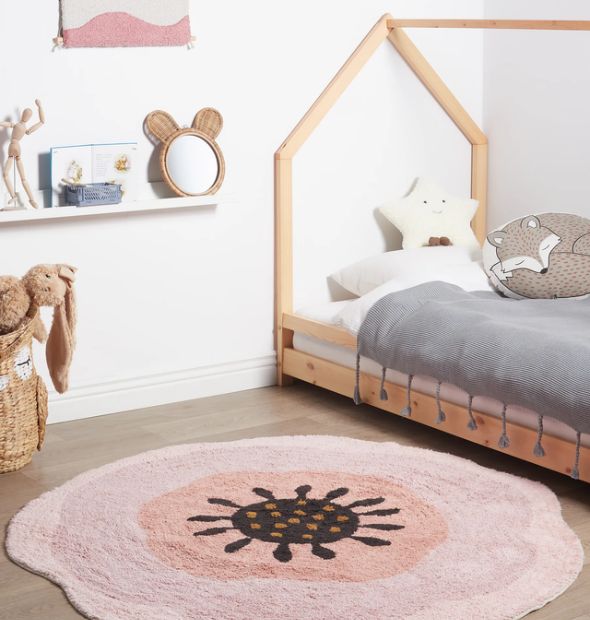
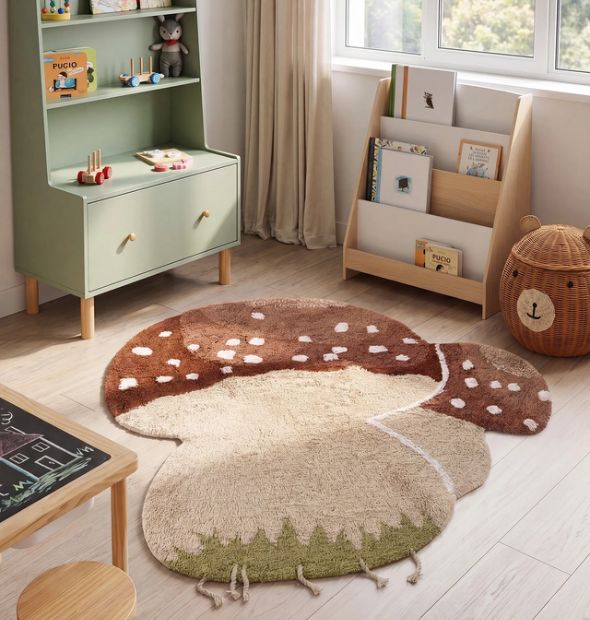
Shop now: kids' rugs
How do you care for an outdoor rug?
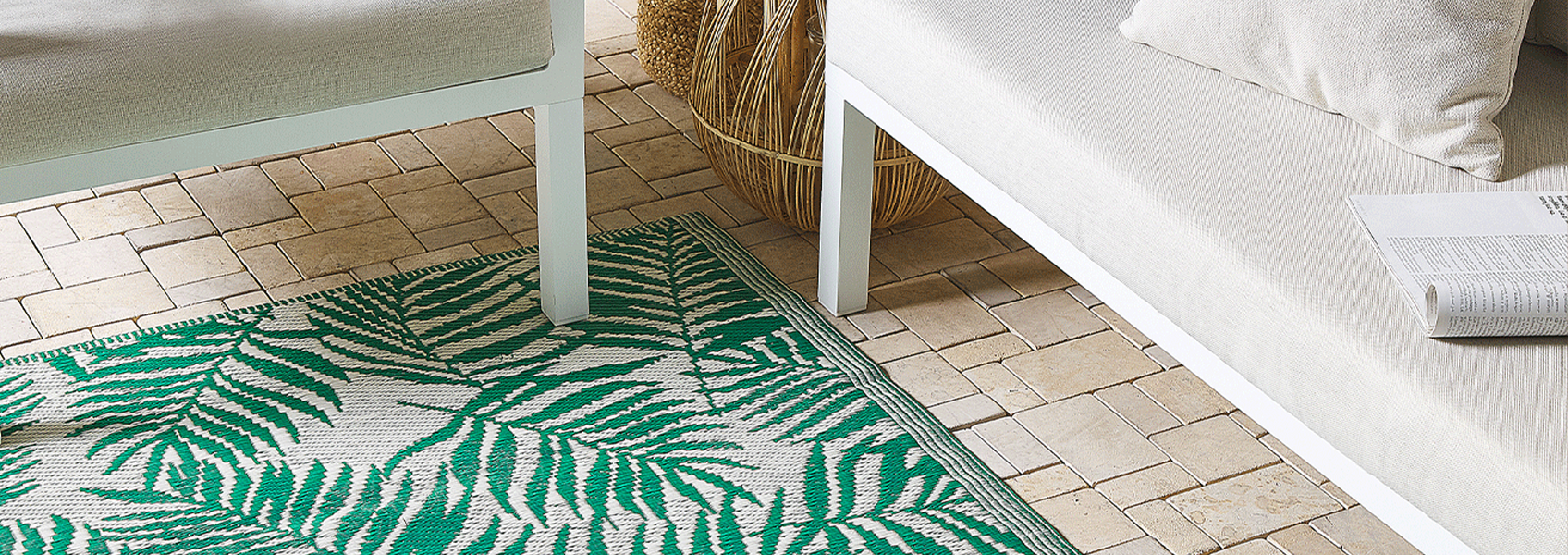
Outdoor rugs are made to withstand weather, sunlight and water, but they still last longer with some regular care. Shake or vacuum the rug to remove loose dirt and leaves, and for a deeper clean, hose it down and let it air dry without harsh chemicals. Treat stubborn stains with a mild soap and water solution, keep the rug in a shaded spot or rotate it periodically to prevent fading, and bring it indoors during harsh weather to extend its life.
Shop now: outdoor rugs
What rug care mistakes should you avoid?
A few common habits do more damage over time than the everyday wear they're meant to prevent.
- Using bleach or strong solvents, which can damage both fibres and colour
- Ignoring a spill, which gives it time to set into a permanent stain
- Vacuuming a delicate or high-pile rug with a beater bar, which frays the fibres
- Leaving a rug in direct sunlight for long periods, which causes fading and discolouration
- Letting dirt build up between vacuums, which wears down fibres over time
- Skipping professional cleaning for years at a time, even when a rug looks clean on the surface
- Using a rubber-backed mat underneath, which traps moisture and encourages mould and mildew; a breathable rug pad is the better choice
- Walking on a rug before it's fully dry, which risks mould and fibre damage
What to check right before you clean your rug
Before you start cleaning a specific rug, run through these checks.
- Identify the exact material before choosing any product or method
- Check the rug's care label for washing or cleaning restrictions
- Remove solid debris or loose dirt before applying any liquid
- Test any cleaning solution, including baking soda, on a hidden corner first
- Have a dry cloth ready to blot immediately rather than rub
- Let the rug dry fully in a ventilated area before anyone walks on it
Read more: the ultimate rug guide
Frequently asked questions
Can you vacuum a high-pile or shaggy rug the same way as a flatweave rug?
No. A high-pile or shaggy rug needs a gentler setting and should never be vacuumed with a beater bar, since this can pull and fray the longer fibres. A flatweave rug can usually handle normal suction and a brush attachment without any issue.
How do you remove pet odour from a rug?
Blot a fresh accident immediately rather than rubbing it, then treat the area with an enzyme-based cleaner, which breaks down the odour-causing bacteria rather than masking the smell. If the odour persists or has reached the rug pad underneath, professional cleaning is usually needed to remove it fully.
Is it safe to use baking soda on a rug?
Yes, for most rug materials. Sprinkle it over the rug, leave it for a short while to absorb odours, then vacuum thoroughly, but test an inconspicuous corner first and don't leave it on for more than a few hours, since it can be hard to vacuum out fully and may leave a faint residue.
Can sun-faded colour be restored once it's happened?
No, sun-faded colour can't be reversed once the dye has broken down. The only way to protect a rug's colour is prevention: keep it out of direct sunlight or rotate it regularly so any fading happens evenly.
What are the signs a rug needs professional cleaning sooner than its usual schedule?
Visible soiling that vacuuming no longer lifts, a persistent odour, or a pile that stays matted after vacuuming are all signs it's time for a professional clean, whatever the usual schedule says.
