
 Free Delivery & Return
 365-Day Returns
 10 Million Happy Customers
 500,000 Products in Stock

The Ultimate Rug Guide: How to Choose the Right Rug for Every Room
Reviewed by the Beliani Content Team · Updated November 2026
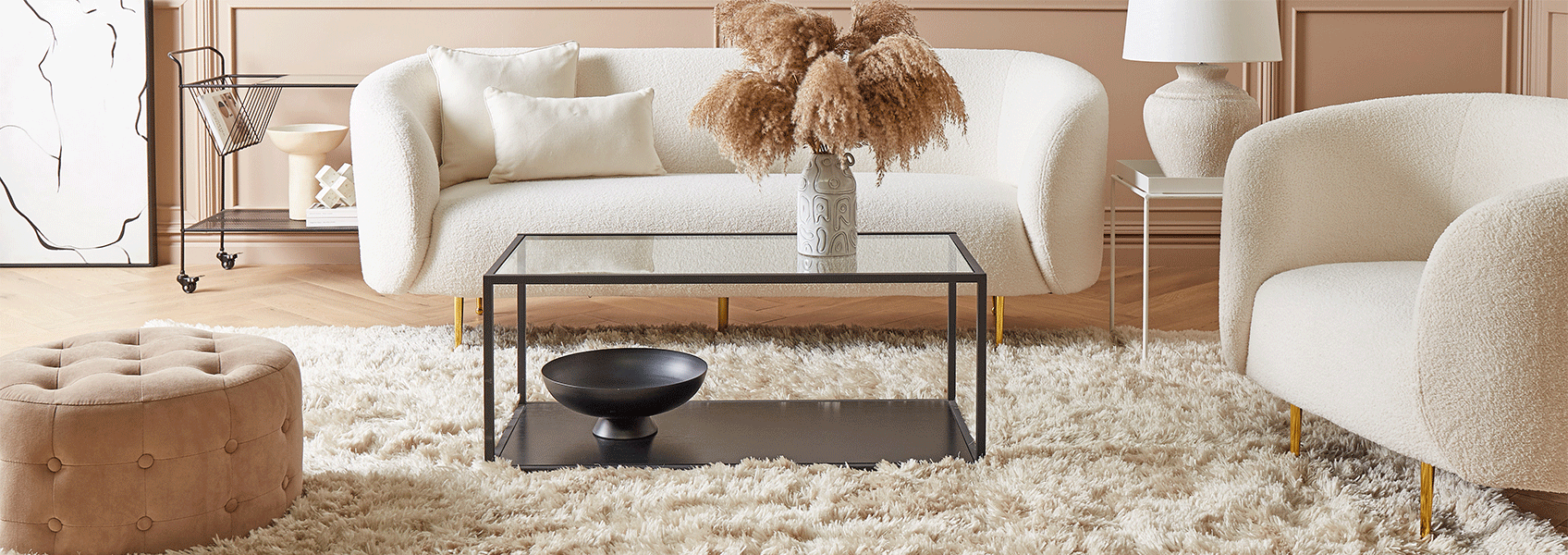
A rug has to work on two levels at once: it needs to look right with your furniture, and it needs to survive exactly the kind of daily use its room gets. Material, pile height and size all affect how a rug performs, not just how it looks, which is why the wrong choice often shows up within a year as flattened fibres, a rug that won't lie flat, or constant spot-cleaning. This guide breaks the decision down into the factors that actually matter, so you can shop by what a rug needs to do.
In short
Which rug is right for your room?
Leave roughly 20 to 30cm of rug showing beyond a sofa or bed on each visible side, choose a pile height to match how much traffic the room gets, and pick the material to suit the household. These three factors together, not colour, decide whether a rug is right for a room: a low-pile synthetic or flatweave rug copes best in a hallway or kitchen, while a higher-pile wool rug suits a calmer space such as a bedroom.
- Room traffic: busier rooms need a lower pile and a more durable, easy-clean material
- Household: homes with pets or small children benefit from washable or stain-resistant materials
- Floor type: hard floors need a non-slip rug pad underneath; a rug on fitted carpet rarely does
How big should your rug be?
Measure the area you want the rug to cover before you start browsing, not after you've picked a design. As a general rule, a rug should extend around 20 to 30cm beyond each side of a sofa or bed, and where the rug crosses a doorway, check that an open door still clears it without catching on the edge. Getting the size right makes the biggest difference to how finished a room looks, more than material or colour.
Read more: the complete rug size guide
Which material suits your lifestyle?
The material a rug is made from decides whether it feels soft or coarse underfoot, whether it can be vacuumed or needs spot-cleaning, and whether it will outlast pets and children or needs to be kept out of reach.
Natural fibre rugs
Wool, cotton, silk, jute and sisal give a room a durable, substantial feel. Wool is a good choice if you don't plan on vacuuming too often, since it hides dirt well, while silk needs professional cleaning and tends to sit at the higher end of the price range.
Synthetic fibre rugs
Polyester, acrylic and polypropylene rugs are affordable, easy to clean and resistant to everyday wear, though they generally need replacing sooner than a natural fibre rug. Viscose and recycled PET fibres are two trending alternatives: viscose gives a silky sheen at a lower price than silk, while recycled PET rugs combine sustainability with easy maintenance.
| What matters | Natural fibres | Synthetic fibres |
|---|---|---|
| Durability | Very durable with care; wool rugs often last decades | Moderate; usually needs replacing sooner in heavy use |
| Cleaning | Wool hides dirt well; silk needs professional cleaning | Easy to vacuum and spot-clean; many are machine washable |
| Feel underfoot | Warm and substantial | Varies by product; viscose has a silky sheen |
| Typical price point | Higher, especially silk | More affordable |
Shop now: wool rugs, jute rugs and leather rugs
What pile height works best for your space?
Pile height is the distance from a rug's backing to the tip of its fibres, and it affects comfort, cleaning and how well a rug copes with foot traffic. Most rugs fall into one of three bands.
Low pile
Under 6mm
Flat, tightly woven and easy to vacuum. Best for hallways, kitchens and doorways, and the safest choice if the rug needs to clear an open door.
Medium pile
Roughly 6 to 13mm
A balance of softness and durability that suits living rooms, bedrooms and dining rooms, and copes well with moderate daily traffic.
High pile
13mm and above
Plush and warm underfoot, ideal for low-traffic, relaxed spaces such as bedrooms. It needs more frequent vacuuming and is harder to keep flat over time.
Is a rug pad worth adding?
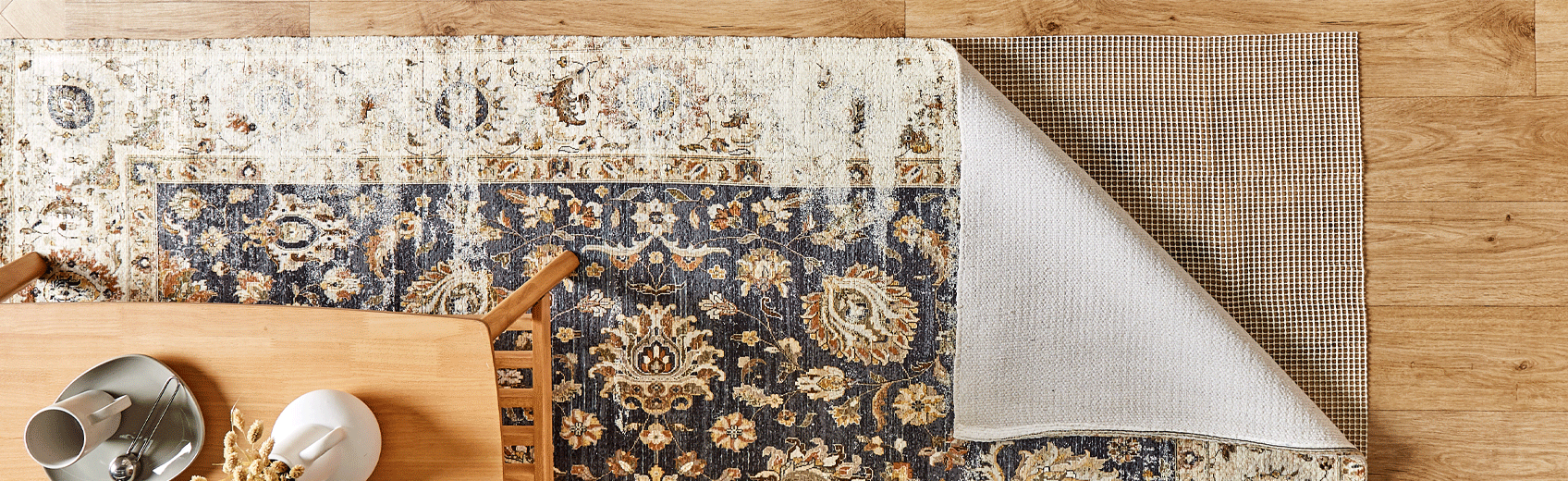
A rug pad is a thin layer placed under a rug, and it does more than stop slipping. It also protects both the rug's backing and the floor finish from friction, adds cushioning underfoot, and improves airflow, which makes vacuuming more effective and helps the rug last longer.
What to look for in a rug pad
A thickness of around 6 to 10mm (roughly a quarter to three-eighths of an inch) suits most rooms. Choose a pad that sits slightly smaller than the rug so it doesn't show at the edges, a rubber or felt-and-rubber combination for hard floors, and a thinner grip pad if the rug will sit on top of fitted carpet.
What do rug safety labels mean?
Two labels come up most often when you're comparing rugs for safety and ethics. OEKO-TEX Standard 100 means the finished textile and its components, such as dyes and coatings, have been independently tested against a defined list of harmful substances, which matters most for a rug going into a nursery or a child's bedroom. GoodWeave certifies that no child or forced labour was used in making a hand-knotted rug. Check the product page for either label before you buy if this matters to you, since not every rug on the market carries one.
Which colours and patterns work best?
Even the most beautiful rug will look wrong if it doesn't fit the rest of the room. Light colours can brighten a dark room and make it feel bigger, while patterns and darker shades create contrast and draw attention to the area a rug covers. Colour temperature matters too: red, yellow and orange are warm colours, while blue, green and violet are cool, and a rug in warm colours brings more energy into a room than one in cool tones.
Vibrant or subdued shades
Practicality should come first in heavy-traffic areas such as a hallway or living room, where darker shades hide dirt better. Pastel colours and soft whites suit a bedroom, where the goal is a calmer, more homely feel rather than resilience to daily wear.
Pattern or solid colour
Bold patterns go well with solid-colour furniture and larger spaces, giving a room an elegant, finished look. In a small room, the same pattern can make the space feel narrower, so a solid-colour rug in a tone close to the walls usually works better, since it also gives more freedom when choosing other furniture and accessories.
How do you choose a rug for each room?
Living room
The living room has to handle entertaining, relaxing and everyday foot traffic, so the rug should correspond with the room's style and sit roughly 20 to 30cm larger than the sofa on each visible side. In a smaller living room, a textured piece such as a shaggy rug or sheepskin adds depth, while a solid-coloured rug in a tone close to the walls keeps the space feeling open.

Dining room
A dining room rug needs to be easy to clean, since crumbs and spills are unavoidable underneath a table. Cotton or polyester rugs that can be vacuumed often, and ideally washed, are the most practical choice, and a low pile stands up better than a shaggy one as chairs are pushed in and out. The rug also helps protect the floor from scratches and dampens the noise of moved furniture.

Bedroom
Get a rug slightly larger than the bed and place it so it extends under each side, or use two smaller rugs on either side of the bed if floor space is limited. A sheepskin adds a softer, more indulgent feel for stepping out of bed, and a medium to high pile suits the room's lower traffic.

Hallway
A hallway is the busiest area in most homes, so a low-pile rug in jute, polyester or another synthetic fibre withstands daily use and protects parquet or floor panels from scratches best. In a narrow corridor, a runner rug creates a sense of extra space and makes the hallway feel more finished.

Kids' room
A rug for a child's room should be durable, easy to clean and comfortable to sit and play on, since young children spend a lot of time on the floor. A short pile is easier to play on and vacuum, making it more practical for a nursery than a shaggy rug or a large sheepskin, which can trap small toy parts. A playful, colourful pattern also helps the rug double as part of the room's design.
Garden and outdoor spaces
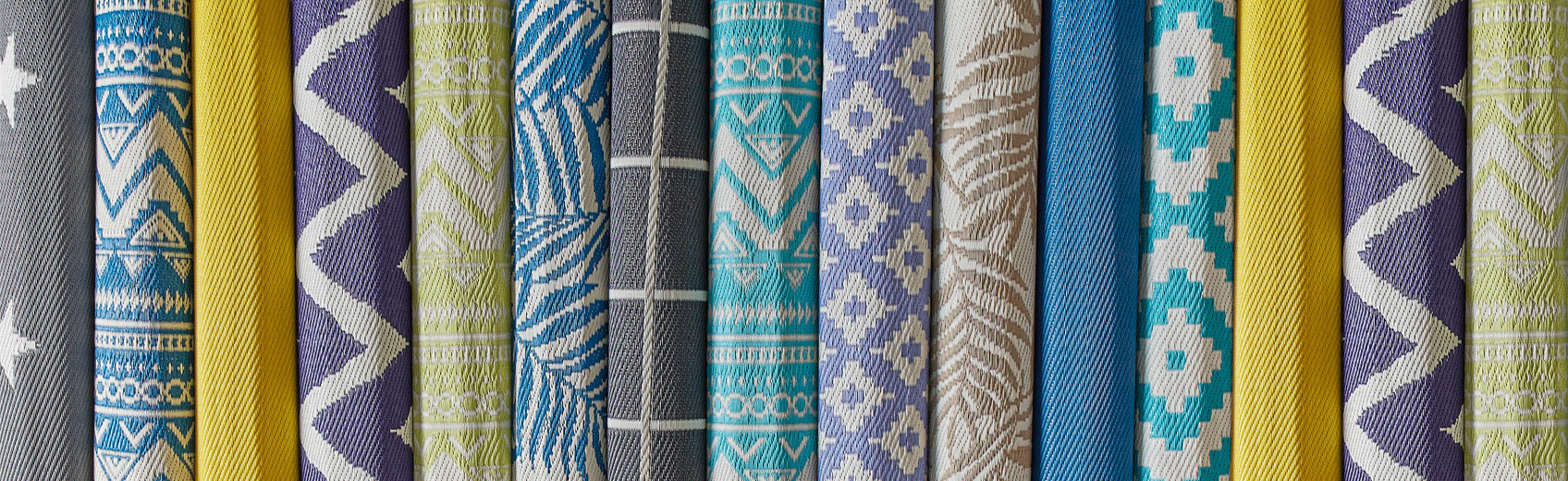
Outdoor rugs extend a home's living space outside, reducing the amount of dirt brought back in and covering imperfections in the ground. Polypropylene is the most popular material for garden rugs, since it's affordable, weather-resistant and easy to maintain with minimal upkeep.

Shop now: outdoor rugs
Are washable rugs worth considering?
Washable rugs have become a popular choice for households with pets or young children, since most small to medium sizes fit a standard washing machine and many come with a non-slip backing built in, which can remove the need for a separate rug pad. Always follow the care label rather than guessing: most washable rugs should be air-dried rather than tumble-dried, since high heat can damage the backing and distort the rug's shape.
How do you care for your rug day to day?
Regular, light maintenance keeps any rug looking newer for longer. Vacuum in the direction of the pile for natural fibres, rotate the rug every few months so wear and sun fading happen evenly, and blot spills immediately with a clean cloth rather than rubbing them in. Silk and some wool rugs are best left to professional cleaning, since harsh scrubbing can damage their fibres.
Read more: how to take care of rugs
What to check before buying
Once you've found a design you like, run through these checks before you order.
- Room dimensions and furniture layout against the rug size you're considering
- Door clearance wherever the rug will cross a doorway
- Pile height matched to how much daily traffic the room gets
- Material suited to spills, pets or allergies in the household
- A rug pad if the rug will sit on a hard floor
- Any safety certification, such as OEKO-TEX, if the rug is for a nursery or kids' room
- Care instructions, including whether the rug is machine washable, before you buy
Frequently asked questions
Can I put a rug directly on top of fitted carpet?
Yes, though a thin non-slip pad is still worth adding so the rug doesn't creep, and a low-pile rug feels more stable than a thick one once it's layered over carpet. Avoid pairing two very thick piles, as the combination can feel unsteady underfoot.
How long does a typical rug last?
A well-maintained wool rug can easily last 15 years or more, while a budget synthetic rug in a high-traffic area may need replacing within 5. Rotating the rug and vacuuming it regularly both extend its lifespan, whatever the material.
Do all rugs need a rug pad?
No. Rugs placed on fitted carpet rarely need one, and some washable rugs already have a non-slip backing built in. Any rug placed on a hard floor such as wood, tile or laminate benefits from a pad for both safety and floor protection.
Can outdoor rugs be used indoors?
Yes, the weather-resistant materials used in outdoor rugs, typically polypropylene, work just as well indoors. Many buyers choose them for bathrooms, conservatories or busy hallways because they wipe clean easily.
Are natural fibre rugs a good choice for allergy sufferers?
Not necessarily as a first choice; a low-pile synthetic or washable rug is generally easier to keep free of dust and allergens than a natural fibre rug. Whichever material you choose, regular, gentle vacuuming makes the biggest difference.
